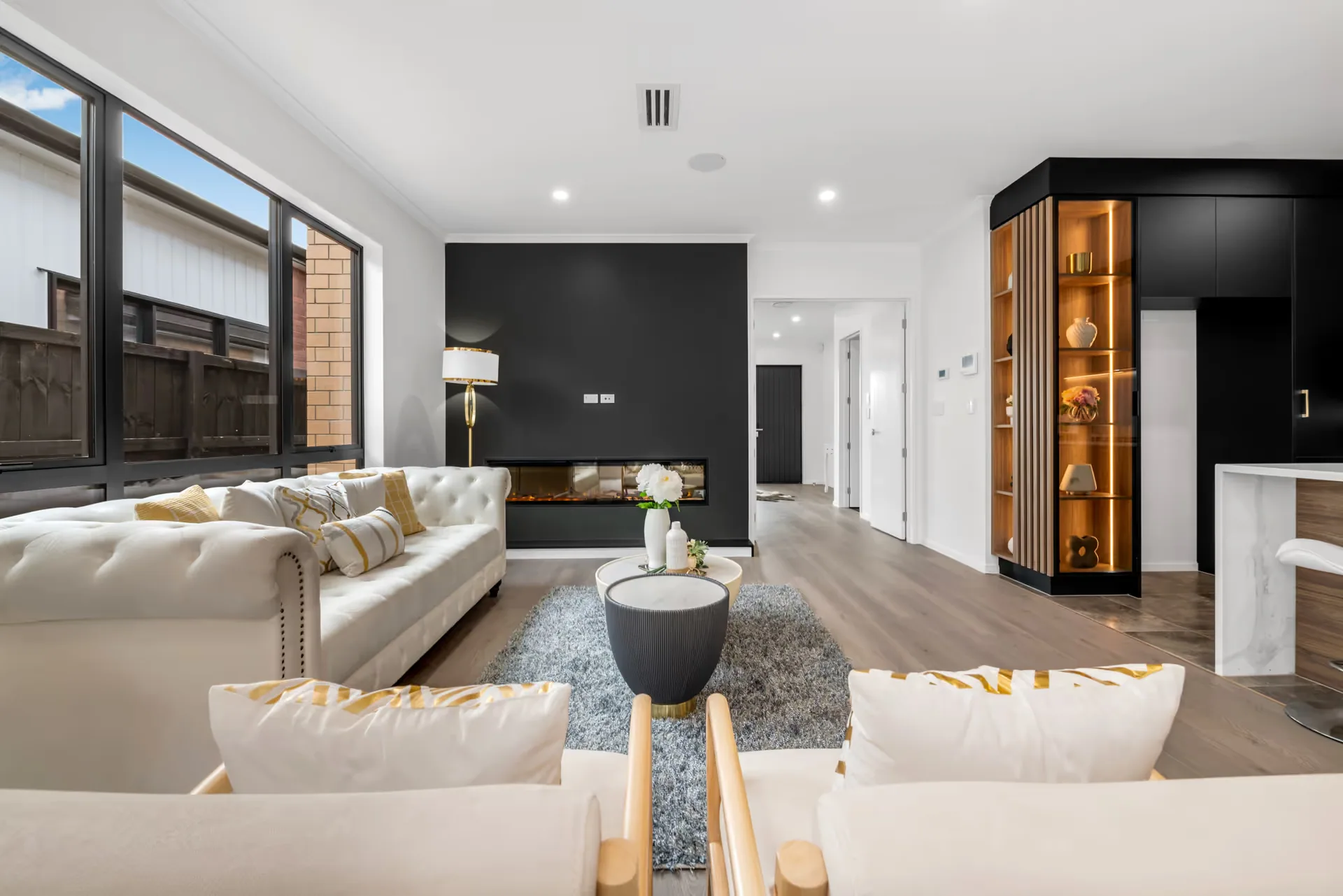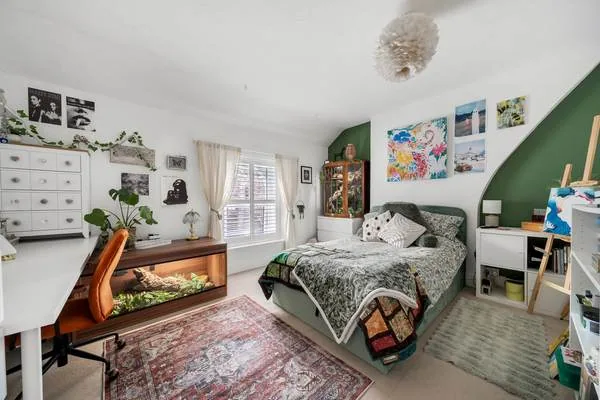
The Opening Arguments
Single Exposure: Let's keep it simple. One photo, honest colour, straight lines. Buyers see the room as it really is, and that trust matters. Most rooms are evenly lit enough that a single exposure does the job.
HDR: Look at that window, though. It's blown out to white, and the corner by the sofa is murky. I merge three to seven bracketed exposures, so the view outside and the detail inside appear in the same frame.
Flambient: That kind of blend often looks flat and grey, with halos around the window frames. I start with the ambient exposure, which shows the room as it actually looks, then add flash frames for lift and crisp detail. The result feels like a bright, warm room on a good day.
The Debate Continues
Single Exposure: Flash means a second person, a speedlight, and extra time matching shadows. One slip and the sofa ends up with two shadows. Is it really worth the effort?
HDR: It's more forgiving than flash. Flash can leave hot spots and an unnatural glow, and buyers spot that on their phones. I shoot brackets on a tripod, and I handle exteriors well. Skies, brick, and driveways all need balance.
Flambient: Balance is often a polite word for compromise. When the room sells the home, you want depth and warmth, not a painted sky. The flash should go unnoticed. Viewers should feel the room is beautiful, not wonder how it was lit.
Where They Agree
Single Exposure: Then we agree on one thing. Hero rooms deserve effort. Everything else deserves a clean, honest image, and that's where I do my best work.
HDR: Fair enough. My middle ground works on almost every portal, from Rightmove to Zillow to realestate.com.au.
Flambient: Middle ground is still a compromise. For the living room and kitchen, I'll take the interior hero every time.
Cost, Speed, and the Final Word
Single Exposure: Cost matters too. Clients on a budget want volume, and I can deliver a full set of twenty photos before a flambient editor has finished the kitchen.
HDR: Turnaround matters, but so does the result. A fast, flat listing can sit on the market longer, because buyers scroll past dull photos on a phone.
Flambient: That's my point. A listing that gets clicks earns the viewing, and warmth on a small screen is where flambient wins. My kitchen shot is the one people save.
Single Exposure: Screenshots don't sell houses. Viewings do. If the photo promises more light than the room has, buyers walk in and leave disappointed.
HDR: That's why I'm the safer choice. Flash can exaggerate the light, while balanced blends sit closer to what the eye actually sees.
Flambient: Ask a buyer standing in that living room at four in the afternoon. My ambient frame shows the room as it is. Nothing is invented. It's simply lit well.
Single Exposure: Then we agree on honesty. Whatever the method, keep the colours true and disclose heavy edits.
The Verdict
Each editor is right about something.
The real winner is the agent who matches the method to the room.
- Single exposure wins on evenly lit rooms, secondary spaces, and tighter budgets.
- HDR wins on exteriors, open plans, and rooms where windows and shadows compete.
- Flambient wins on hero interiors, where warmth and depth sell the home.
Quick Decision Guide
- Is the room evenly lit? Use single exposure.
- Are the windows much brighter than the interior? Use HDR, unless it's a main room.
- Is it a main room that sells the home? Use flambient if you have the time and kit.
Frequently asked questions
For interiors, flambient often looks more natural and warm. HDR is more flexible for exteriors and for shoots without flash kit. Many photographers use both on the same listing.